Baseboards and Door Casings Become Popular Choices for Interior Decoration
Baseboards and Door Casings: The Underrated Details of Interior Design
Here’s an interesting phenomenon: when most people are renovating, they spend months picking out flooring, choosing wall colors, and agonizing over color swatches for hours on end. But when it comes to baseboards and door casings, they usually just go with whatever the contractor recommends.
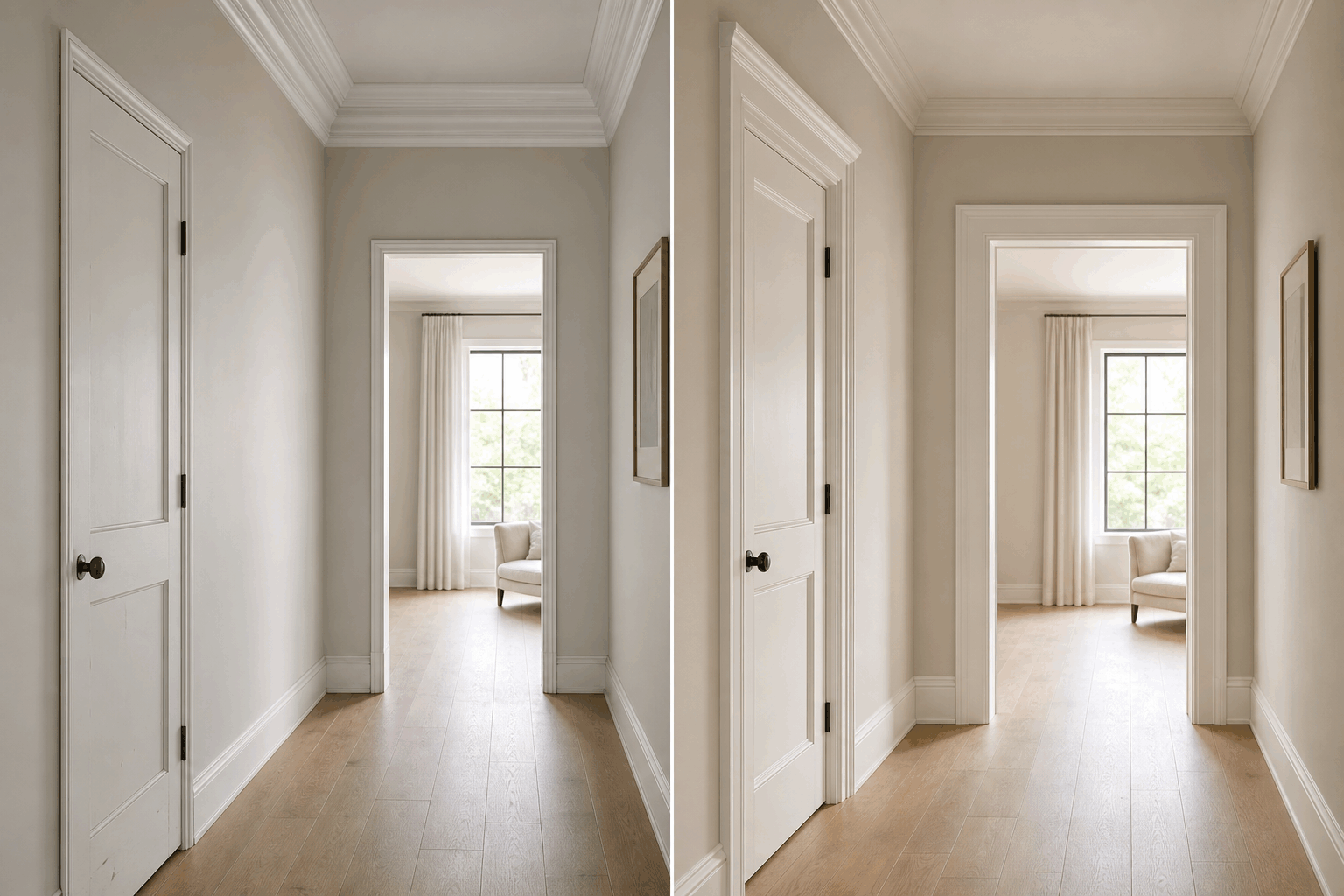
But once they move in, they realize something’s off. A cheap, poorly finished baseboard can make even a floor that cost tens of thousands of yuan look like a cheap compromise. A set of door casings that clashes with the overall style can be a constant eyesore every time you open the door.
Baseboards: More Than Just a Line
Baseboards do the dirty work—they take the brunt of water stains from mopping, impacts from robot vacuums, and scrapes from kids’ toy cars. But it also has an aesthetic role: to create a seamless and elegant transition between the wall and the floor.
In terms of material selection, the mainstream options today are roughly as follows:
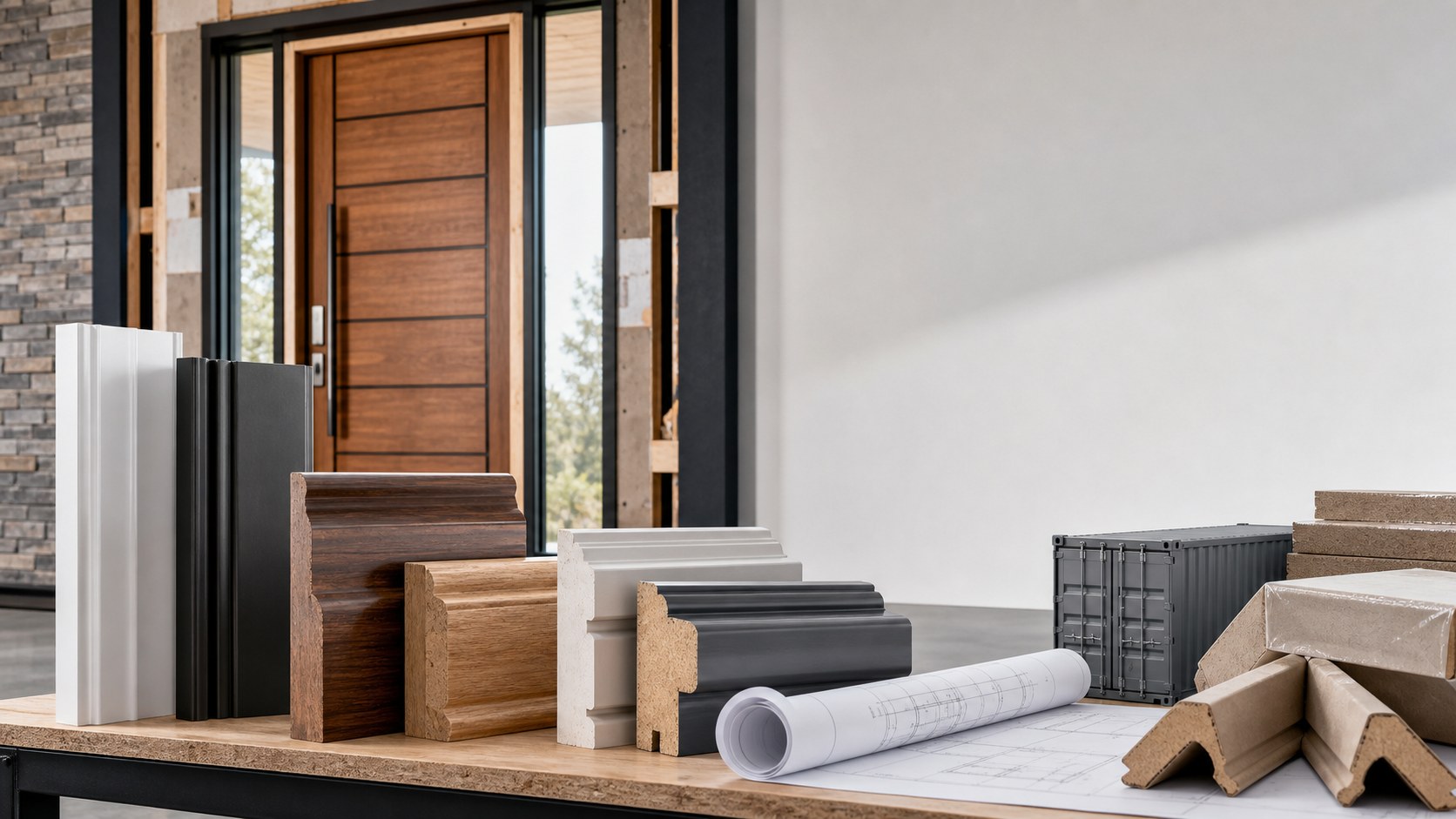
MDF (Medium-Density Fiberboard): Currently the most widely used category. It has uniform density, dimensional stability, and can be finished with various surface treatments. Moderately priced, it’s suitable for large-scale projects and standardized renovations. Its moisture resistance is average, but it improves significantly with waterproofing treatment.
Solid Wood: Unmatched in texture, but also unmatched in price. Primarily used in high-end residential and hotel projects. The challenge with solid wood baseboards lies not in the material itself, but in installation—wood “breathes,” and striking the right balance between leaving a gap and not leaving one tests the craftsman’s skill.
WPC (Wood-Plastic Composite): A popular material in recent years. Resistant to water and pests, it is suitable for humid southern regions and functional areas like bathrooms and kitchens. The only drawback is that it expands and contracts with temperature changes more noticeably than wood, so this must be anticipated during installation.
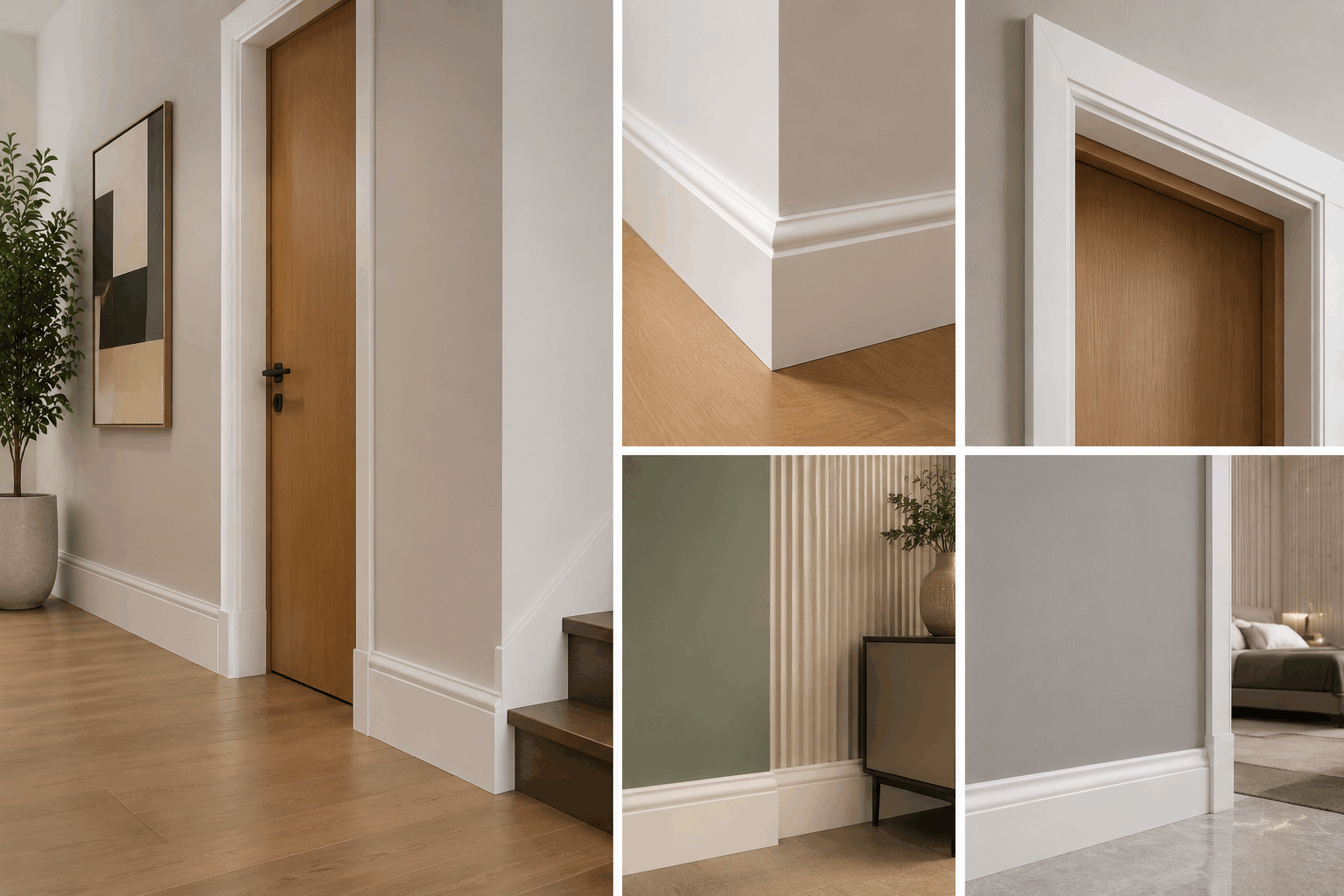
In terms of style, there are significant differences between the domestic and overseas markets. European clients prefer minimalist, flat lines, while the Middle East and Southeast Asian markets are more receptive to classical styles with decorative elements. North America falls somewhere in between—clean yet layered.
Door Casings: The Face of the Door
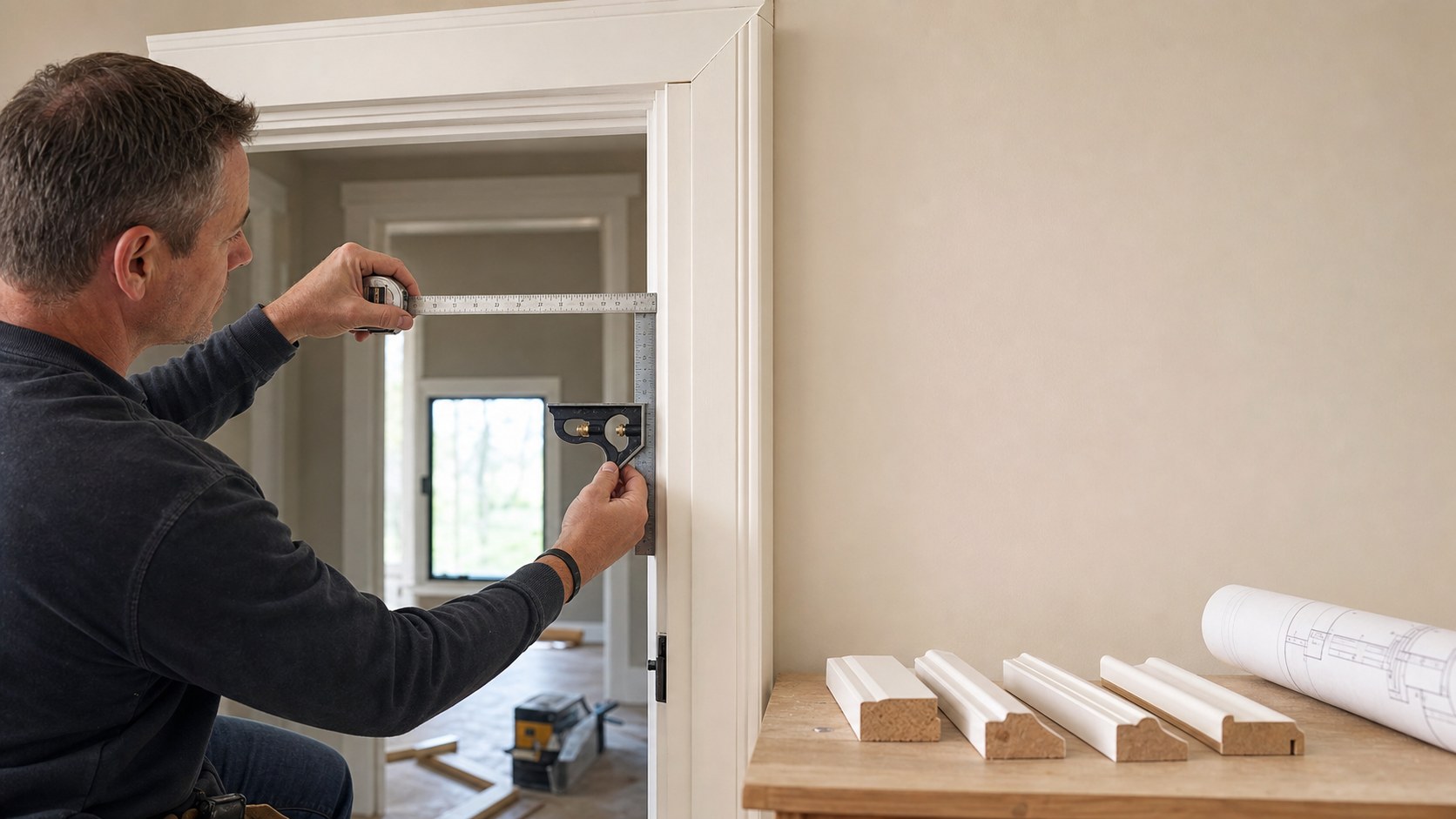
Door casings are an element that’s easily overlooked but becomes very noticeable when something goes wrong. Uneven gaps, jagged lines, or mismatched colors with the baseboards—none of these are major issues on their own, but when combined, they make the entire space feel “off.”
In terms of design, there’s a current trend toward unifying the lines throughout the entire home: baseboards, door casings, and crown molding all use the same design language. This is particularly important for hotels and fully furnished housing projects, as matching moldings during bulk procurement ensures high construction efficiency and consistent finished results.
What Buyers and Suppliers Care About
From a supply chain perspective, the key concerns for buyers are actually quite straightforward: price is certainly important, but in the long chain of international trade, stability and reliability often carry more weight than a few cents per unit.
- Dimensional Stability: When a shipment arrives, what is the rate of warping? This directly determines return rates and project progress.
- Surface Consistency: For the same color code, is the color variation between different batches acceptable?
- Packaging: Upon arrival at the port via sea freight, the damage rate upon unpacking is a key metric.
- Customization Capabilities: Can specifications be adjusted? Can delivery times be guaranteed? Is communication smooth?
Where Is the Market Headed?
The renewal cycle for interior decoration is shrinking. Residential renovations have shifted from once per generation in the past to every seven to eight years today, while commercial spaces see even faster cycles—every three to five years. Each renewal cycle means new demand for baseboards and door casings.
Additionally, the penetration of prefabricated interior finishing (where panels, moldings, and trim accessories are pre-manufactured in the factory and assembled on-site) is growing in developed markets. This model places higher demands on the standardization of molding products, which also presents an opportunity for suppliers.We have been specializing in baseboards, door casings, and related wood products for many years, serving clients worldwide. If you have procurement needs or would like to discuss which specifications are suitable for your market, please feel free to contact us—we offer direct, personal communication and let our genuine products speak for themselves.
Interior Door Casing Styles: A Sourcing Guide for Getting It Right the First Time